|
EcoFuture.Prima WEFE Workshop |
|
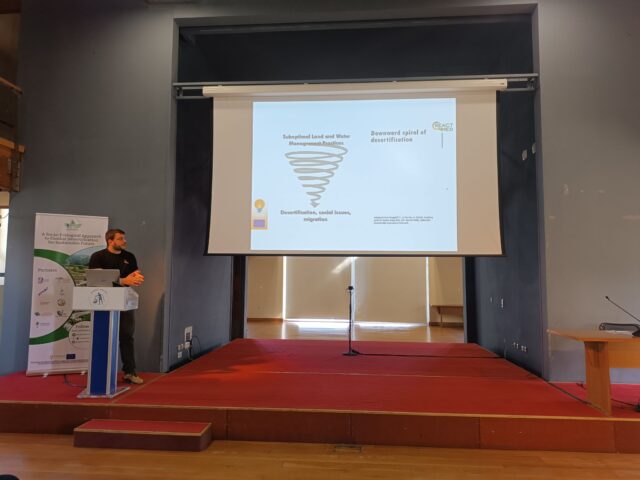
REACT4MED participated in the EcoFuture.Prima WEFE Nexus Solutions and Tools Workshop has begun in Chania, Greece & online. Experts and practitioners of the WEFE Nexus community has come together to explore innovative solutions and practical tools within the WEFE Nexus framework. |
|
|
| |
|
Discover the REACT4MED Pilot Areas
|
| |
|
Heraklion Pilot Area |
|
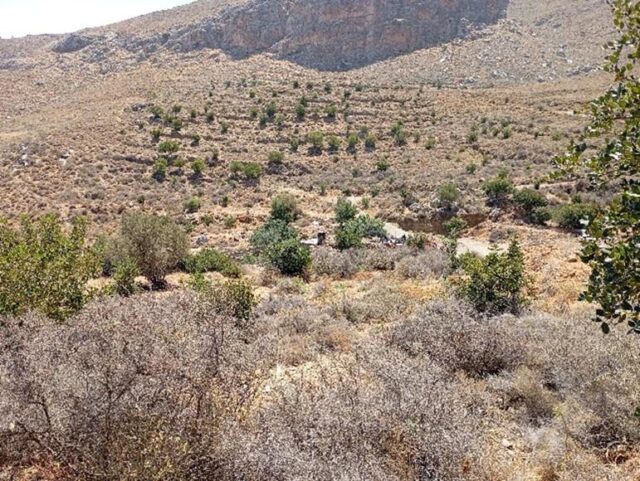
In the pilot area near Heraklion, the conversion of open grazing land to Ceratonia siliqua plantation highlighted the value of restoration beyond economic returns. Carob-based agroforestry strengthened ecosystem services by reducing soil erosion, improving soil fertility, enhancing water infiltration, and creating more resilient landscapes under drought and heat stress. At the same time, it supported important social services by preserving the cultural identity of Cretan rural landscapes, providing shade and recreational value, encouraging agritourism, and creating opportunities for local employment and community engagement. Overall, the pilot demonstrated how restoration reinforced both ecological stability and the social vitality of mountainous areas in Crete. |
|
|
| |
|
Stornara and Tara |
|
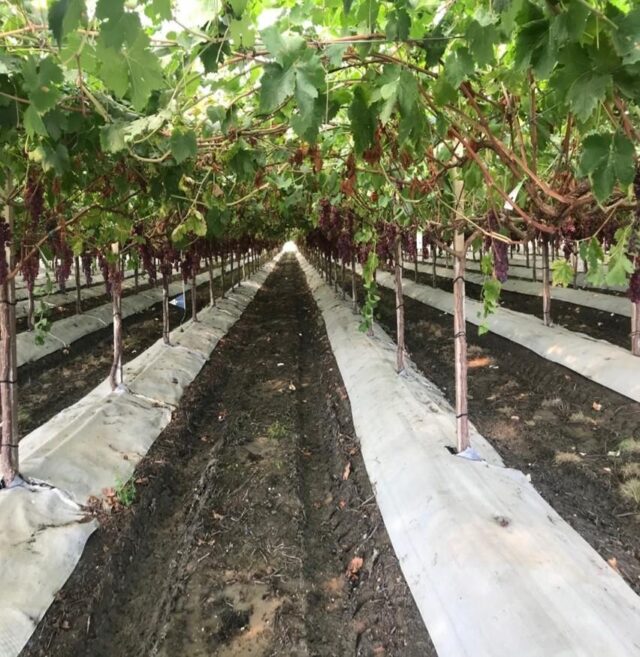
In the Stornara and Tara pilot area, the shift from conventional to organic table grape farming highlighted the wider value of restoration beyond financial performance. Organic management enhanced ecosystem services by improving soil quality, supporting biodiversity, reducing chemical pressures, and encouraging more sustainable water use in a region affected by drought and groundwater stress. At the same time, it strengthened social services by promoting healthier production practices, reducing risks associated with pesticide exposure, fostering networks among organic producers, and reinforcing the environmental identity of local agriculture. Overall, the pilot demonstrated how sustainable viticulture contributed to both ecological resilience and the social well-being of rural communities. |
|
|
| |
|
Canyoles Pilot Area |
|
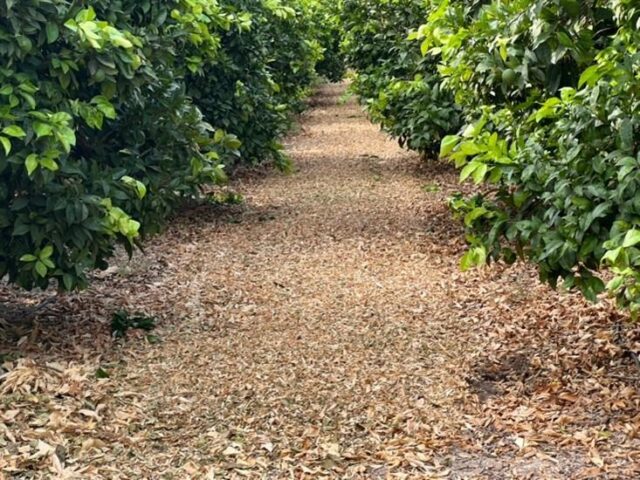
In the Canyoles pilot area, the use of chopped pruned branches as mulch in orange plantations highlighted the broader value of restoration beyond economic outcomes. This practice improved ecosystem services by reducing soil erosion, enhancing water infiltration, increasing soil organic matter, moderating soil temperature, and supporting greater soil biodiversity on vulnerable sloping terraces. By replacing the traditional burning of pruned branches, it also reduced pressure on soil health and contributed to a more regenerative management approach. At the same time, it influenced social services by encouraging more skilled rural employment, improving working conditions through mechanization, and strengthening awareness of sustainable land stewardship in Mediterranean farming landscapes. |
|
|
| |
|
Troodos Pilot Area |
|
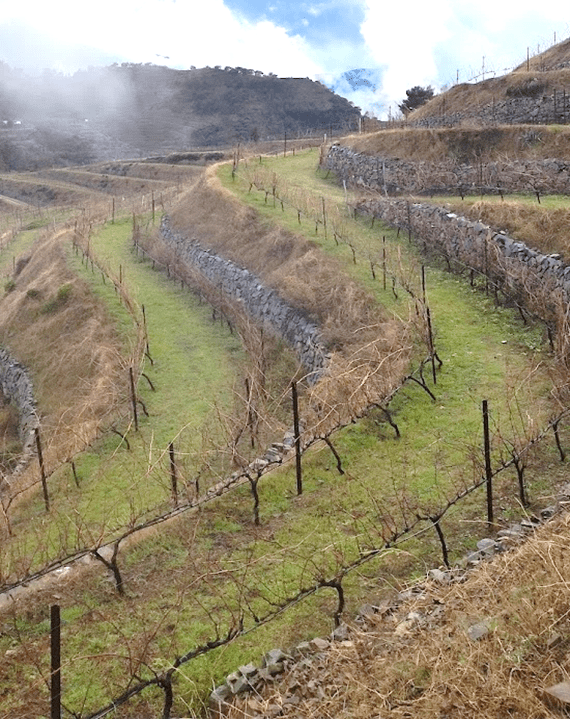
In the Troodos Mountains pilot area, the development of agro-ecologically managed vineyards on modern, mechanically constructed terraces highlighted the broader value of restoration beyond financial performance. This approach strengthened ecosystem services by reducing soil erosion, improving water retention, supporting vegetation cover on terrace risers, and enhancing the stability of steep mountain slopes. At the same time, it reinforced important social and cultural services by reviving knowledge of dry-stone wall construction, sustaining traditional landscape character, supporting rural employment, and increasing the attractiveness of the area for local products and agrotourism. Overall, the pilot demonstrated how terrace restoration contributed to both ecological resilience and community vitality in mountain landscapes. |
|
|
| |
|
Stay up to date by following our social media |
| |
 |
|
|
|
REACT4MED Project (Grant Agreement No. 2122) is funded by PRIMA, the Partnership for Research and Innovation in the Mediterranean Area, a Programme supported by Horizon 2020, the European Union’s Framework Programme for Research and Innovation. |
|
|
| |
|